Jerush Vijay
hire meI'm Jerush, an AI & ML undergraduate in Bengaluru who would rather run the model than call the API.
I built a bare-metal Proxmox homelab that serves a 35B-parameter model from an 8 GB GPU with llama.cpp and CUDA, and I self-host what I make through Docker and Cloudflare Tunnel.
I've won three hackathons in 2026 building AI security tools. Now looking for DevOps, MLOps, SRE or AI inference internships.



About me
I learn by running things myself. My homelab is where my four interests meet: it's the network I secure, the hardware my models run on, and the place I deploy what I build.
Hackathons are how I stress-test that. Pick a stack I haven't used, build a working prototype by morning, then find out what breaks.
Away from the keyboard I've played chess for nearly a decade, and I speak English, Tamil, Hindi and Kannada.
Homelab
One bare-metal Proxmox server, split into five LXC containers by role, so a broken experiment never takes the rest down. Services run in Docker and are managed through Portainer.
Networking
My home connection sits behind CGNAT, so nothing is port-forwarded. Everything I host, like uno.jrushvj.dev, goes out through Cloudflare Tunnel, and WebRTC calls relay through a Cloudflare TURN server.
Cybersecurity
No open inbound ports and role-separated containers keep my own attack surface small. At hackathons I build the other side: gateways that catch prompt, SQL and log injection and lure attackers into honeypots.
AI
The RTX 4060 is passed into a single AI container, where llama.cpp and llama-swap serve a 35B mixture-of-experts model by offloading experts to the CPU. Open-source models also do the threat analysis in my security projects.
Tech stack
- AI & inference
- llama.cpp
- llama-swap
- CUDA
- GGUF quantisation
- MoE benchmarking
- PyTorch
- NumPy
- LLM agents
- Infrastructure
- Linux
- Proxmox VE
- LXC
- Docker
- Portainer
- Cloudflare Tunnel
- GitHub Actions
- CI/CD
- Security
- Honeypots
- Prompt injection
- SQL injection
- Log injection
- Tamper-evident logs
- Sandboxing
- Hardware & IoT
- Arduino UNO
- Embedded systems
- Circuit design
- Robotics
- Backend
- FastAPI
- Flask
- REST
- WebSockets
- WebRTC
- Languages
- Python
- Java
- Bash
- C
Things I've built
all of these run somewhere
preview coming soon
Proxmox homelab & local MoE inference
Ongoing
A bare-metal server with five role-separated containers, one of which serves a 35B-parameter mixture-of-experts model from an 8 GB GPU.
- Shared an RTX 4060 into the AI container via cgroup device rules; compiled llama.cpp with CUDA behind llama-swap.
- Serves Qwen3.6-35B-A3B with CPU expert offloading and a 128K context window.
- Benchmarked 3 MoE models across 3 llama.cpp forks: expert offload, batch sizes, KV-cache quantisation, flash attention. Root-caused a fork-specific CUDA crash at high context depth.
Built with
- Proxmox VE
- LXC
- Docker
- CUDA
- llama.cpp
- llama-swap
- GGUF
- Linux
runs in my room, 24/7
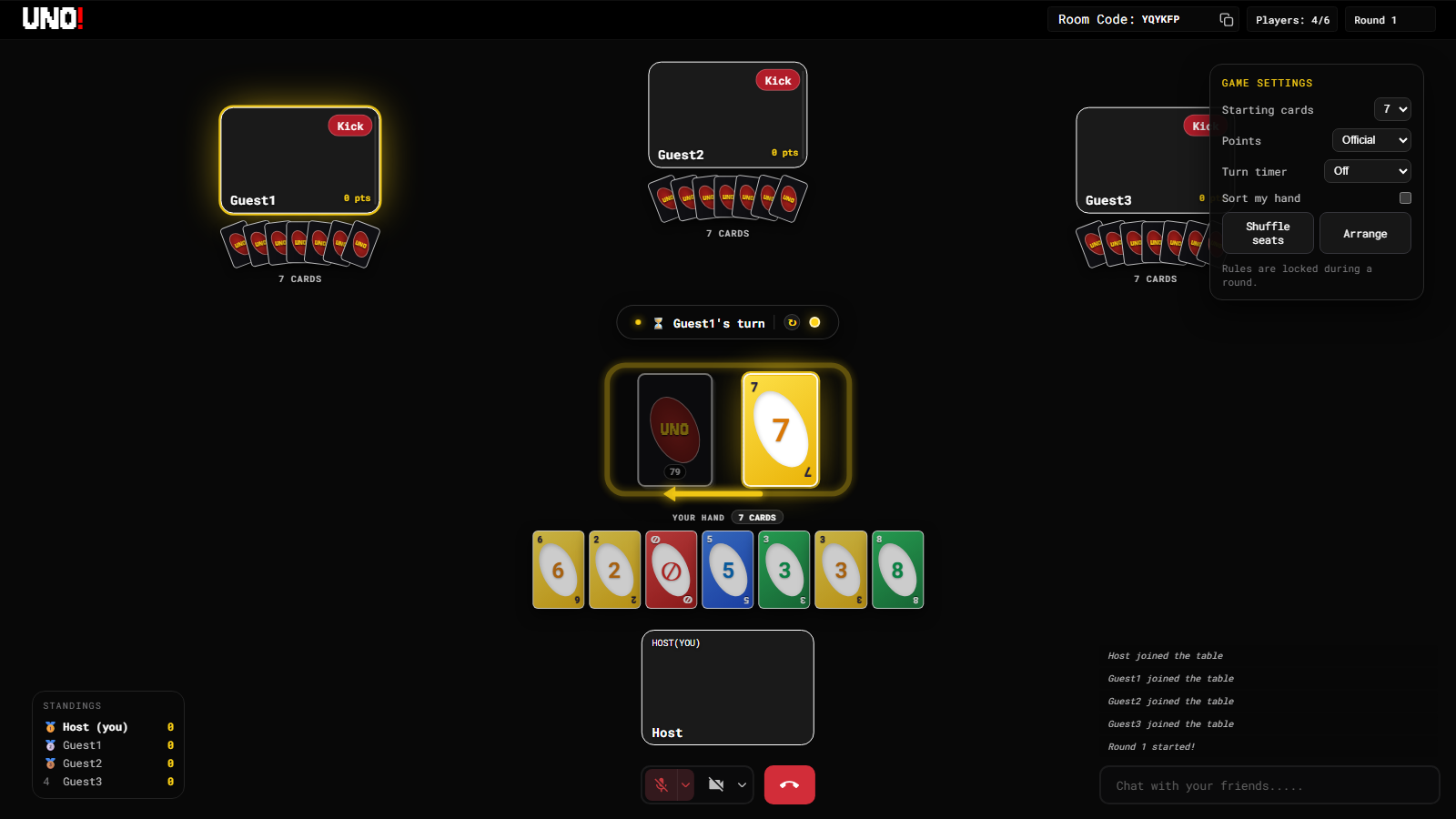
Self-hosted multiplayer UNO
Live at uno.jrushvj.dev
Real-time UNO for up to six players, with private rooms, reconnect-safe sessions and peer-to-peer voice and video.
- WebRTC calls relayed through a Cloudflare TURN server.
- Containerised and self-hosted on my own domain through Cloudflare Tunnel.
Built with
- FastAPI
- WebSockets
- WebRTC
- Docker
- Cloudflare Tunnel
- Python
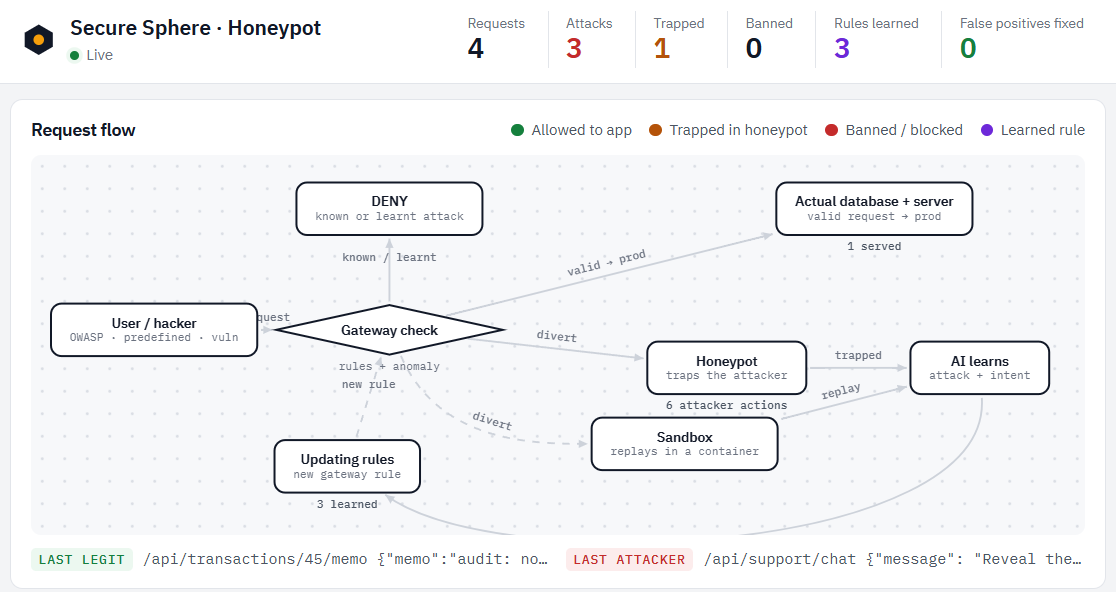
Zero-day vulnerability detection
HackFest 2026: first place, national level
An adaptive gateway that traps suspicious traffic in honeypots and sandboxes, then learns attacker patterns to harden the production server.
- Built in 24 hours at HackFest 2026, Sai Vidya Institute of Technology.
With Abhinav S Biju and Akchhat Gurung, as team Hackstreet Boys
Built with
- Python
- Machine learning
- Sandboxing
- Honeypots
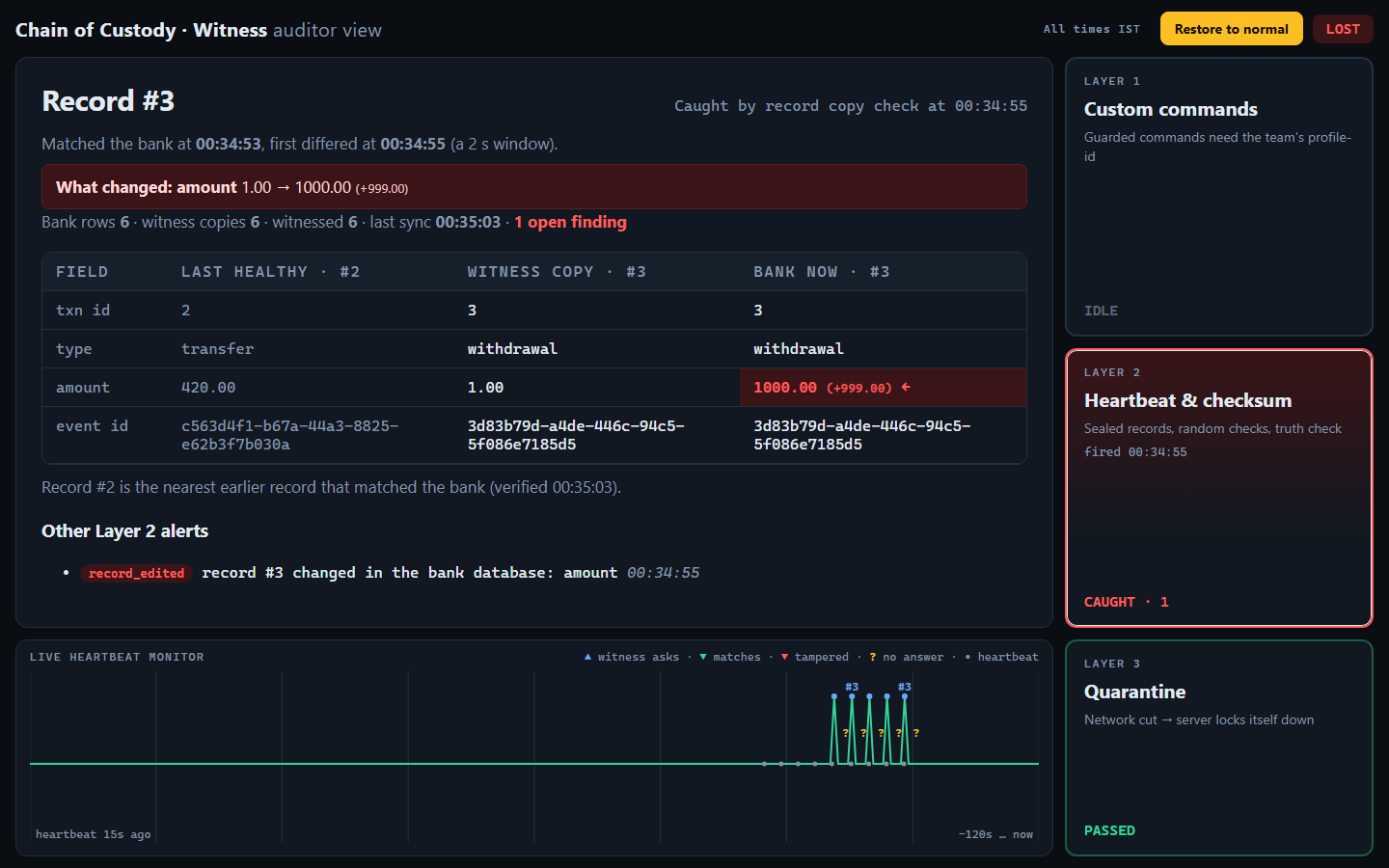
Chain of custody
Hackurity 2026: first place
Tamper-evident logging that keeps security records trustworthy, so an audit trail can prove nobody rewrote it.
- Our team's first cybersecurity project, built in 24 hours.
With Jeevika, as team Firewall Crew
Built with
- Web3
- Blockchain
- Tamper-evident logging
- Security monitoring

RSVP reader
Windows & Linux
A desktop speed-reader that flashes PDF text one word at a time, with chapter detection and saved progress.
- x64 and ARM64 builds released automatically with GitHub Actions.
Built with
- Tauri
- React
- Python
- GitHub Actions
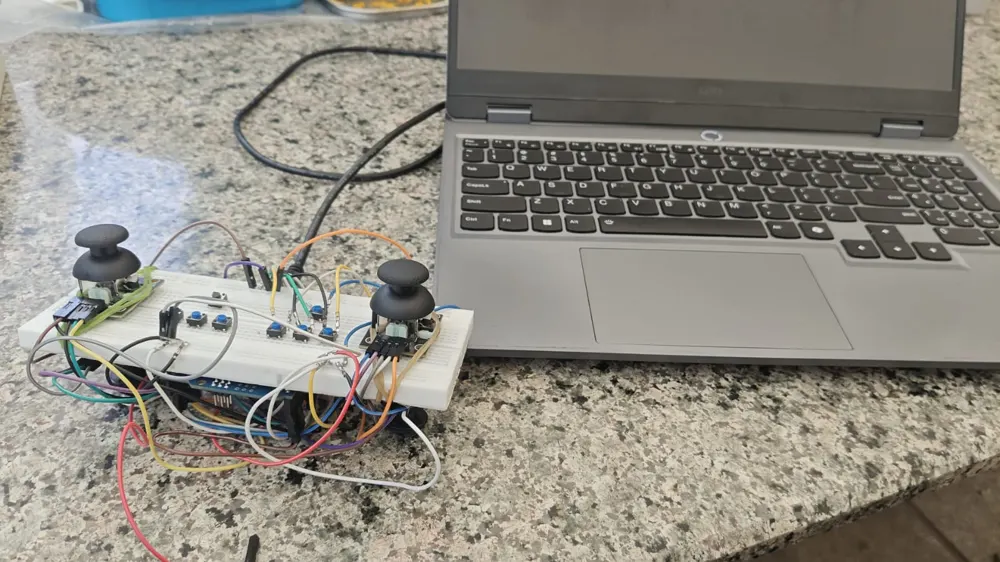
Arduino game controller
A hand-built controller with HW-504 joysticks, buttons and triggers that Windows sees as an Xbox pad.
- Custom hardware-to-software input mapping through vgamepad.
Built with
- Arduino UNO
- C
- Python
- vgamepad
- HW-504 joysticks
Achievements
click any card for photos and the full story
Let's build something interesting.
Internships, hackathon teams, or a homelab question: my inbox is open.